
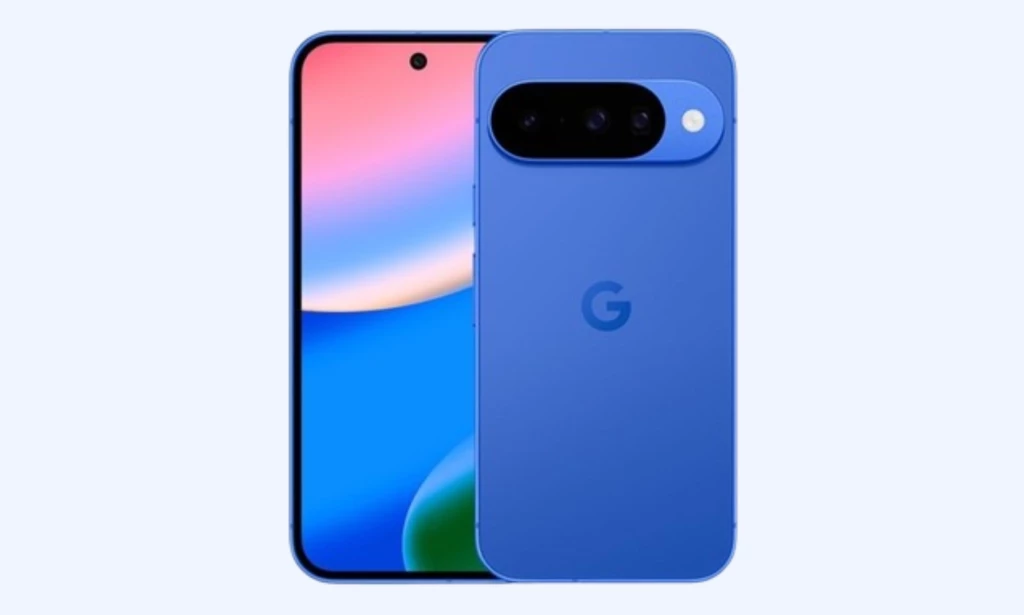
Google's Pixel lineup haswill be will be will be will be will be will be always take a different approach to flagship phones. Where Samsung and Apple compete on hardware maximalism, Google competes on intelligence. The Pixel 10 is the clearest expression of that philosophy yet, a phone built around the Tensor G5 chip, a new triple camera system, and the deepest Gemini AI integration available on any Android device in 2025.
Starting at $799, the Pixel 10 is not the cheapest phone you can buy, but it offers a combination of software quality, AI capability, camera versatility, and long-term update support that few phones at this price can match. This is a complete breakdown of everything the Pixel 10 offers.
Complete Specifications
Launch
| Detail | Info |
|---|---|
| Announced | August 20, 2025 |
| Released | August 28, 2025 |
| Status | Available |
Pricing
| Configuration | Price |
|---|---|
| 12GB / 128GB | $799 |
| 12GB / 256GB | $899 |
Body and Build
| Detail | Info |
|---|---|
| Dimensions | 152.8 x 72.0 x 8.6 mm |
| Weight | 204g (7.20 oz) |
| Front Glass | Corning Gorilla Glass Victus 2 |
| Back Glass | Corning Gorilla Glass Victus 2 |
| Frame | Spacecraft-grade aluminum (satin finish) |
| IP Rating | IP68 (1.5m for up to 30 minutes) |
| SIM | Nano-SIM + eSIM |
| Colors | Indigo, Obsidian, Lemongrass, Frost |
Display
| Detail | Info |
|---|---|
| Size | 6.3 inches (Actua OLED) |
| Resolution | 2424 x 1080 pixels (422 ppi) |
| Aspect Ratio | 20.2:9 |
| Refresh Rate | 60 to 120Hz adaptive |
| HDR | HDR10+ |
| Brightness (HBM) | 2,000 nits |
| Brightness (peak) | 3,000 nits |
| Screen-to-body ratio | 81.73% |
| Protection | Corning Gorilla Glass Victus 2 |
Chipset and Performance
| Detail | Info |
|---|---|
| Chipset | Google Tensor G5 (3nm TSMC) |
| CPU | Octa-core: 1x3.78 GHz Cortex-X4 + 5x3.05 GHz Cortex-A725 + 2x2.25 GHz Cortex-A520 |
| GPU | PowerVR DXT-48-1536 |
| TPU | 60% more powerful than Tensor G4 |
| RAM | 12GB LPDDR5 |
| Storage | 128GB / 256GB UFS |
| Storage Expansion | Not supported |
| Security | Titan M2 security chip, Tensor security core |
Rear Camera System
| Lens | Detail |
|---|---|
| Main | 48MP, f/1.7, OIS, PDAF, Super Res Zoom up to 20x |
| Ultra-wide | 13MP, 120-degree FOV, Macro Focus |
| Telephoto | 10.8MP, 5x optical zoom |
| Optical quality zoom | 0.6x, 1x, 5x, 10x |
| Flash | LED |
| Video | 4K at 30fps / 60fps, 1080p at 60fps / 120fps / 240fps |
| Features | Night Sight, Magic Eraser, Photo Unblur, Best Take, Add Me, Video Boost (limited), Cinematic Blur |
Front Camera
| Detail | Info |
|---|---|
| Sensor | 10.5MP |
| FOV | 95-degree ultrawide |
| Autofocus | Yes |
| Video | 4K at 30fps / 60fps |
Battery and Charging
| Detail | Info |
|---|---|
| Capacity | 4,970mAh |
| Claimed battery life | Over 30 hours |
| Wired Charging | 23W |
| Wireless Charging | 21W (Qi2 compatible) |
| MagSafe compatible | Yes (Qi2) |
| Reverse Wireless | Yes |
| Charger in box | No |
Connectivity
| Detail | Info |
|---|---|
| 5G | Sub-6 GHz and mmWave (USA) |
| Wi-Fi | Wi-Fi 7 (802.11be) |
| Bluetooth | 5.4 |
| NFC | Yes |
| USB | USB Type-C 3.2 Gen 2 |
| Satellite | Emergency SOS via satellite |
| Ultra Wideband | Yes |
| GPS | GPS, GLONASS, BeiDou, Galileo, QZSS |
Security and Biometrics
| Detail | Info |
|---|---|
| Fingerprint | Ultrasonic in-display |
| Face Unlock | Yes |
| Titan M2 | Yes, hardware security chip |
Audio
| Detail | Info |
|---|---|
| Speakers | Stereo speakers |
| 3.5mm Jack | No |
Software
| Detail | Info |
|---|---|
| OS at Launch | Android 16 |
| OS Updates | 7 years guaranteed (up to Android 23) |
| Security Updates | 7 years |
| AI Platform | Google Gemini Nano, Gemini Live |
Design and Build Quality
Pixel 10 carries Google's signature camera bar design, the horizontal strip across the back that has become one of the most recognizable design elements in Android. It measures 152.8 x 72.0 x 8.6mm and weighs 204 grams, which is compact and comfortable compared to most flagship phones in 2025. The satin aluminum frame pairs with Gorilla Glass Victus 2 on both the front and back, giving the phone a genuinely premium feel at a mid-flagship price point.
Four color options are available: Indigo, Obsidian, Lemongrass, and Frost. Each has a distinct character, and the Lemongrass option in particular is notably more expressive than what most Android manufacturers offer at this tier. IP68 certification covers dust and water resistance up to 1.5 meters for 30 minutes.
Display
The 6.3-inch Actua OLED display runs at 1080 x 2424 pixels and 422 ppi. The resolution is not quad HD, but at this screen size the difference is not visible in normal use., Adaptive refresh rate scales between 60Hz and 120Hz depending on content, which helps preserve battery life during static tasks. Peak brightness reaches 3,000 nits for exceptional outdoor readability, and HDR10+ support delivers vibrant, accurate color for compatible streaming content. The flat panel design avoids the edge distortions that curved displays can introduce, making it more practical for everyday use.
Performance: Tensor G5 on TSMC 3nm
Tensor G5 is the most significant internal upgrade in the Pixel 10. Previous Tensor chips were manufactured by Samsung on a 4nm process. The G5 moves to TSMC's 3nm process, which delivers meaningful improvements in both performance and power efficiency. The single prime core runs at 3.78 GHz, and Google replaced the Mali GPU with a PowerVR DXT-48-1536, which delivers noticeably better graphics performance than any previous Pixel.
The TPU handles all on-device AI tasks and is approximately 60% more powerful than the Tensor G4. This matters because most of the Pixel 10's best features, from real-time call screening to on-device Gemini AI to computational photography, depend on fast, local AI processing rather than cloud connectivity. Benchmark scores still trail the Snapdragon 8 Elite in raw numbers, but real-world everyday performance is smooth and fast for all standard tasks.
Camera System: Triple Lenses for the First Time
The Pixel 10 is the first base-model Pixel to include a dedicated telephoto lens. The triple rear camera system consists of a 48MP main camera with f/1.7 aperture and OIS, a 13MP ultra-wide with 120-degree field of view and Macro Focus capability, and a 10.8MP 5x optical telephoto. This is a meaningful step up in versatility over the Pixel 9, which had no telephoto option.
The trade-off is that the main and ultra-wide sensor resolutions are lower than the Pixel 9's cameras. Google made this compromise to accommodate the third lens, and it is worth acknowledging. In good lighting, the output from all three cameras is excellent and benefits from Google's Photonic Engine computational processing. Night Sight, Magic Eraser, Best Take, Photo Unblur, and the new Add Me feature, which composites a previously absent person into a group photo are all available.
Video reaches 4K at 60fps. Video Boost, which uses cloud AI to enhance video quality in post, is available in a limited capacity on the Pixel 10 but is fully featured only on the Pro and Pro XL models.
Battery Life and Charging
The 4,970mAh battery is a step up from the Pixel 9's 4,700mAh cell. Google claims over 30 hours of battery life, and real-world testing from GSMArena reports averages of approximately 13 hours of screen-on time, which is a solid improvement over the previous generation. The Tensor G5's efficiency improvements contribute significantly to the better endurance despite the modest capacity increase.
Wired charging is rated at 23W, which is not fast by 2025 flagship standards. The Pixel 10 also supports Qi2 wireless charging at 21W and includes reverse wireless charging for topping up accessories like Pixel Buds. No charger is included in the box.
Google AI and Gemini Integration
Google AI features on the Pixel 10 include Call Screen (automatically screening unknown callers), Live Translate (real-time translation in calls and messages), Gemini Live (conversational AI assistant with camera and screen context), Now Playing (identifies music playing nearby), and Pixel Screenshots (AI-organized screenshot search). Gemini Nano processes most of these tasks on-device, meaning they work without an internet connection and keep user data private.
The June 2026 Pixel Feature Drop update added further capabilities to the Pixel 10, including Now Playing as a standalone app, custom icon generation using AI, and Magic Cue for Google Messages.
Software and Update Support
The Pixel 10 ships with Android 16 and receives seven years of guaranteed OS updates and seven years of security patches, the same commitment Samsung offers on Galaxy S series devices. For a $799 phone, this is exceptional long-term value and means a Pixel 10 purchased today will receive official software support until 2032.
Pros and Cons
Pros
- Triple rear camera system on a base model Pixel for the first time includes 5x optical telephoto
- Tensor G5 on TSMC 3nm delivers Google's best-ever Pixel performance
- Seven years of OS and security updates best long-term support in its price category
- Gemini AI features are the most deeply integrated on any Android phone
- Clean, bloatware-free Android 16 experience
- Qi2 wireless charging and reverse wireless charging included
- IP68 water and dust resistance
- Compact 6.3-inch form factor at 204 grams
- Wi-Fi 7 and Bluetooth 5.4
- Satellite emergency SOS support
- Titan M2 hardware security chip
Cons
- Main and ultra-wide camera resolutions are lower than those of the Pixel 9 to accommodate the telephoto lens
- 23W wired charging isthose of the slow compared to Android competitors at this price
- Tensor G5 benchmark scores trail Snapdragon 8 Elite in raw performance
- No Video Boost in full capacity reserved for Pro models
- No charger in the box
- 1080p display resolution, not quad HD
- No microSD card slot
- No 3.5mm headphone jack
- Gaming performance struggles with the most demanding titles
Price Summary
| Configuration | Price |
|---|---|
| 12GB / 128GB | $799 |
| 12GB / 256GB | $899 |
Google offers trade-in credits on eligible devices through the Google Store. Carrier financing options are available through Google Fi, Verizon, T-Mobile, and AT&T.
Who Should Buy the Google Pixel 10?
Pixel 10 is the right phone for Android users who value clean software, strong AI integration, and long-term update support above raw performance numbers. It is particularly well-suited for anyone coming from an older Pixel or mid-range Android phone who wants flagship-quality AI features, a versatile triple-camera system, and seven years of guaranteed updates at a price that does not reach $1,000.
It is not the right choice for heavy gamers who need the absolute fastest chip available, users who want the longest optical zoom reach, or anyone who needs fast wired charging. For those users, the Pixel 10 Pro or Pro XL or competing flagship from Samsung makes more sense.
SamZune Verdict
Google Pixel 10
| Category | Score |
|---|---|
| Design and Build | 8.5 / 10 |
| Display | 8.5 / 10 |
| Performance | 8.0 / 10 |
| Camera | 8.5 / 10 |
| Battery Life | 8.5 / 10 |
| Software and AI | 9.5 / 10 |
| Charging Speed | 6.5 / 10 |
| Value for Money | 9.0 / 10 |
★ The smartest Android phone at $799, held back only by slow charging and a weaker raw performance

You must be logged in to post a comment.