
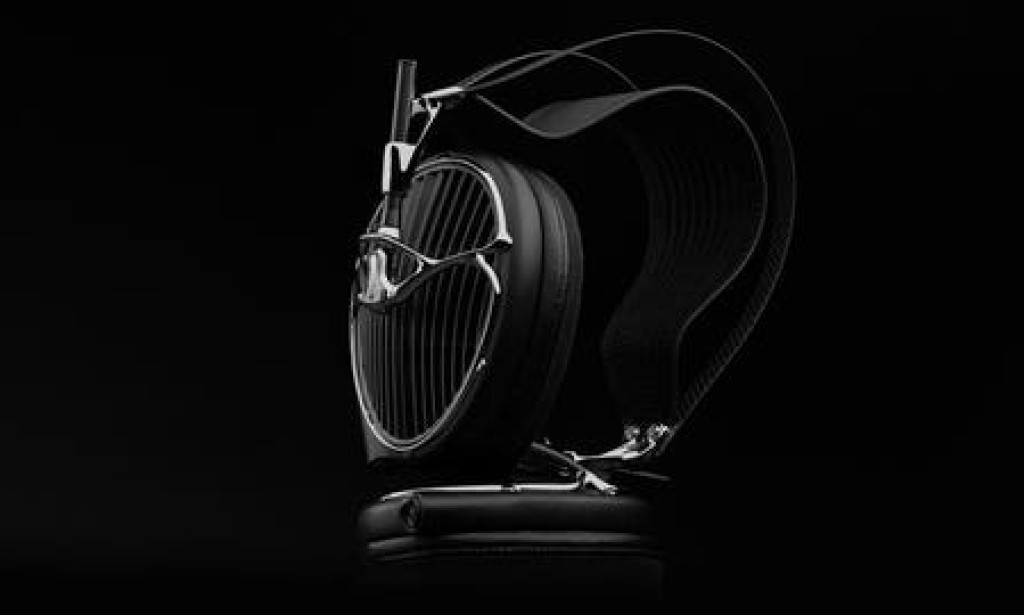
Meze Audio has built its reputation one product at a time from the 99 Classics, which introduced a lot of people to the brand, all the way up to the Empyrean II at $3,000 and the Elite Tungsten at $4,000. Each step represented a deliberate escalation in both price and ambition. The ARTA, unveiled at High End Vienna 2026 on June 4, is the biggest leap yet and at £6,000 / $6,000, it is by a meaningful margin the most expensive pair of headphones Meze has ever released.
The ARTA is a wired over-ear headphone described by Meze as a passion project years in the making. The company positions it as the most immersive sonic experience it has ever created language Meze doesn't use casually given how well-regarded its existing flagship lineup already is.
At the heart of the ARTA is a high impedance isodynamic hybrid array driver developed by Rinaro Ukrainian audio engineering firm with roots going back to the Cold War era, when it was established as part of Soviet-era research into planar magnetic technology. Rinaro has spent more than three decades refining driver design, and the array used in the ARTA represents the highest-impedance planar magnetic headphone driver the company has produced to date. Meze describes the result as a sound signature targeting warm-neutral tonality with what it calls a rich, speaker-like presentation — a goal that speaks to how these headphones want to be experienced.
The Acoustic Design: Angled Blades and Cleaner Transients
One of the more technically interesting elements of the ARTA is how Meze has approached the acoustic grille design. Rather than a standard grille, the ARTA uses angled acoustic blades, which are specifically designed to reduce soundwave reflections inside the headphone cavity. The stated benefit is cleaner transients and a more open presentation both qualities that matter significantly in a headphone at this tier, where buyers are listening for exactly those kinds of fine details.
This kind of grille engineering reflects the level of acoustic attention that goes into a reference-tier product. It's not decorative it has a measurable effect on how sound behaves before it reaches the ear.
Build and Materials: Carbon Fibre, Leather, and Quality Metals
The ARTA is built from carbon fibre, leather, and quality metals, finished in matte black with metallic accents. The combination gives the headphones a distinctly futuristic aesthetic that sets them apart from anything else in Meze's current lineup. Where the Empyrean II and Elite have a more classical, sculptural look, the ARTA reads as deliberately contemporary angular, precise, and visually striking.
At 495 grams, these are the heaviest headphones in Meze's roster. That weight is the inevitable consequence of the materials and driver assembly involved in building at this level, and it's worth considering practically extended listening sessions with a nearly 500-gram headphone require a properly padded headband and well-designed ear cup geometry to remain tolerable. Whether Meze has addressed this adequately will become clearer once full reviews from extended listening sessions are published.
Repairability: Built to Last
One detail that stands out at this price point is Meze's approach to serviceability. The ARTA has been designed so that its earpads, headband, drivers, and earcups can all be fully disassembled, serviced, and replaced individually. For a $6,000 pair of headphones, this is not a minor consideration it means the investment can be maintained and repaired over time rather than becoming an expensive piece of dead hardware if a single component fails years down the line.
This approach also aligns with a broader shift in how audiophile buyers are thinking about high-end purchases. Longevity and repairability matter when the price of entry is this high.
Pricing and Availability: The Part That Stings
At £6,000 / $6,000, the ARTA surpasses both the Empyrean II ($3,000) and the Elite Tungsten ($4,000) Meze's previous ceiling for its headphone lineup. It also places the ARTA directly in competition with the most expensive wired headphones available from any manufacturer, including offerings from Audeze, HiFiMAN's top-tier models, and Sennheiser's reference lineup.
The High End Vienna event on June 4 marks the ARTA's public debut, with market availability details to be announced through Meze Audio's official channels. Cable options have not yet been confirmed, and full specifications beyond what was shared pre-launch are expected to be detailed at or after the Vienna showing.
Where the ARTA Fits in Meze's Lineup
To understand the ARTA's positioning, it helps to see how it stacks up against what Meze already sells:
The 99 Classics 2nd Generation is priced at $349 and uses a closed-back dynamic driver design. The 109 Pro is $799, open-back with a 50mm dynamic driver. The Strada is $799, closed-back with the same 50mm dynamic driver tuned for a different acoustic environment. The Empyrean II is $3,000, open-back with a Rinaro isodynamic hybrid array in a different configuration. The Elite Tungsten is $4,000, open-back with a planar magnetic driver. The ARTA, at $6,000, sits above all of them.
The jump from $4,000 to $6,000 is steep, and Meze is clearly aware of that. The years-in-development framing suggests this isn't a product that was rushed to market to fill a price gap. Whether the acoustic results justify the premium is a question that the audio community will spend the next several months answering through listening tests, measurements, and reviews.
Meze's 2026: A Busy and Ambitious Year
The ARTA is Meze's third notable product release in 2026, following the Strada closed-back headphones in January ($799) and the ASTRU flagship IEM in March ($899). The Strada brought Meze's design language to a more accessible closed-back format. The ASTRU made a case for single dynamic driver IEMs at the flagship tier. The ARTA completes what has been an unusually active first half of the year for the Romanian brand and it does so at the highest price point Meze has ever attempted.
For a company founded in Romania in 2011, getting to the point where a $6,000 reference headphone is a credible release rather than an overreach is a significant milestone. Whether the ARTA earns its place among the best headphones at any price will depend on what reviewers who have spent meaningful time with the final product conclude.

You must be logged in to post a comment.