
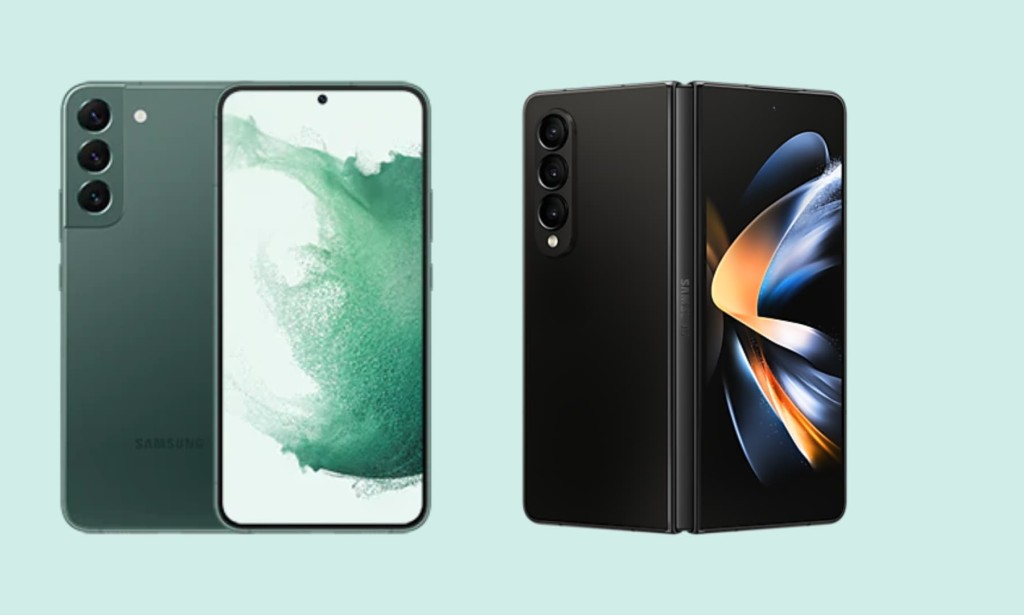
Samsung has been rolling out One UI 8.5 at an impressive pace since May 6, reaching everything from the Galaxy S26 Ultra down to budget A and M-series devices launched in 2023. One group of owners has been watching that rollout closely and waiting for their turn: people who own 2022 Galaxy devices. That turn is now looking like it may never come.
Which Devices Are Being Left Out
The Galaxy S22, Galaxy S22 Plus, Galaxy S22 Ultra, Galaxy Z Fold 4, Galaxy Z Flip 4, Galaxy A53, and Galaxy A33 are all absent from Samsung's official One UI 8.5 rollout roadmap. Samsung's Hong Kong rollout schedule, shared by leaker Alfatürk, confirms that none of these 2022 devices are included. Samsung Germany's official press communications referenced the Galaxy S23 and the last three A-series generations as the baseline for One UI 8.5 eligibility clear signal that 2022 hardware sits outside the update window.
Development for the Galaxy S22 series did begin. Test firmware builds appeared on Samsung's servers in late 2025 and progressed into early development. By early April 2026, that work had completely stopped. No new test builds have appeared since, and regular security patches based on One UI 8.0 have continued in their place. This pattern active development followed by an abrupt halt is the primary evidence that the update has been abandoned for this generation.
Why One UI 8.5 Is Different From Previous Point Updates
This situation feels different from previous Samsung point update decisions because it involves two Android releases that share the same version number. One UI 8.0 and One UI 8.5 are both described as Android 16, which led most owners to assume that any device running One UI 8.0 would naturally receive 8.5. That assumption turned out to be incorrect, and the reason is technical.
One UI 8.5 is not built on the same Android 16 branch as One UI 8.0. It uses Android 16 QPR2 quarterly platform release that is a significantly different and more complex branch of Android 16, with new APIs, updated system components, and platform-level changes that behave more like a full Android version jump than a standard incremental update. Porting Android 16 QPR2 to older hardware requires substantially more engineering work than bringing a standard feature update to a device already running the same base Android version.
With Samsung now committing to seven years of updates for its latest flagship devices, the internal resource calculation has shifted. Dedicating months of engineering work to port a complex platform branch to devices that have already completed their promised update cycle no longer makes logistical sense for a company managing a very large device portfolio simultaneously.
Is Samsung Breaking Its Promise
No. The Galaxy S22 launched with a promise of four major Android OS upgrades. Samsung delivered Android 13, 14, 15, and 16 fulfilling that commitment completely through One UI 8.0. One UI 8.5, as a mid-cycle point release, sits outside that contractual obligation. It was a bonus that many owners understandably expected based on Samsung's historical behavior, but it was never a guaranteed part of the update commitment.
The same logic applies to the Galaxy Z Fold 4 and Z Flip 4. Both received their promised updates through Android 16, and Samsung technically owes them nothing beyond continued security patches on their current software version.
The Situation for Galaxy A53 and A33
The Galaxy A53 and Galaxy A33 are in a more straightforward position. Neither has appeared in any test firmware discovery, and neither appears in Samsung's rollout roadmap. The A53 launched with a four-year update promise and received Android 16 as its final major update. Given the absence of any development activity and its exclusion from official roadmaps, One UI 8.5 for the A53 looks definitively off the table.
What Happens to These Devices Now
Galaxy S22, Z Fold 4, Z Flip 4, A53, and A33 owners will continue to receive regular security patches on their current One UI 8.0 builds. Their devices continue to function normally. Samsung has not announced when security patch support for these models will end, but patches should continue for the foreseeable future under Samsung's standard security update policy.
The One Question Still Unanswered for the S22
As covered previously, new test firmware labeled HZD1 appeared on Samsung's servers for the Galaxy S22 series on June 1, after development appeared to have stopped entirely in April. Whether this represents a genuine reversal by Samsung or internal testing that leads nowhere remains unknown. No official Samsung statement has been made. For Galaxy S22 owners, this is the one remaining thread of hope, though it should not be treated as confirmation of anything until a stable rollout actually begins.

You must be logged in to post a comment.